P-18M RADAR VR TRAINING SIMULATOR
Immersive virtual reality training simulator for operating and studying the P-18M early warning radar system.
Unreal Engine 5 | OpenXR | Technical Art | VR Development | Optimization
Overview
Interactive VR training simulator focused on operating and studying the P-18M radar system. Developed in Unreal Engine for standalone VR platforms, the project combines technical simulation, immersive interaction, and large-scale environmental design to recreate real-world radar operation workflows.
My Role
Lead VR Developer / Technical Artist / Environment Designer


-
VR gameplay and interaction systems development
-
Radar simulation and target tracking implementation
-
Environment creation and world building
-
UI/UX design for training workflows
-
Technical art and performance optimization
-
Blueprint architecture and gameplay systems
-
Standalone VR deployment and testing
Tools & Tech
-
Unreal Engine 5
-
Blueprint Development
-
OpenXR
-
VR Templates
-
UMG UI Framework
-
Niagara VFX
-
Landscape & Foliage Tools
-
Material Instances
-
Performance Profiling
-
Android / Meta Quest Optimization
RADAR SYSTEM
The radar system serves as the core element of the simulator. Users can observe radar sweeps, track aerial targets, and study how objects are represented within the radar interface. The system was designed to visually communicate radar principles while remaining intuitive for training purposes.
OPERATOR WORKFLOW
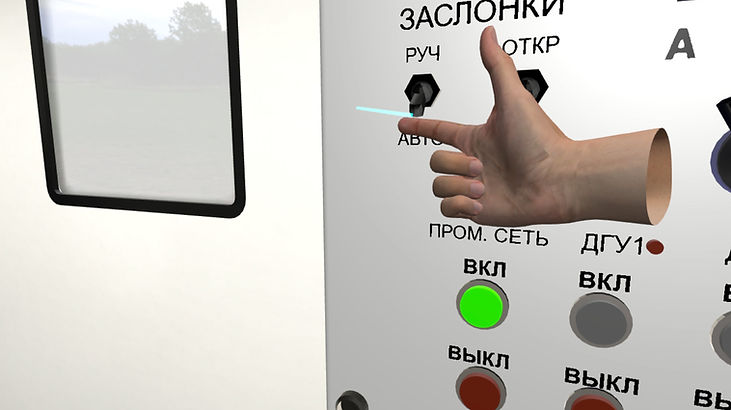
The simulator recreates the workflow of a radar operator through interactive control panels, guided procedures, and real-time system feedback. Users interact directly with equipment and follow operational sequences similar to those used in real-world training scenarios.
ENVIRONMENT DESIGN
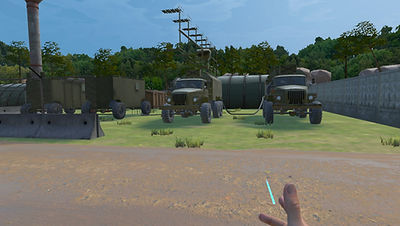
A large-scale military deployment environment was created to support immersion and contextual learning. Terrain, vegetation, atmospheric effects, and equipment placement were carefully designed to create a believable operational setting while maintaining visual clarity in VR.


VR INTERACTION
Every major component of the station can be explored and interacted with through natural VR controls. The interaction system focuses on usability, allowing users to operate equipment, activate controls, and complete training tasks with intuitive hand-based interactions.